Denver, CO roofing
Roofing Company in Denver, Colorado
Denver sits in the middle of hail alley, and roofs here take a beating. Tell us about your roof and we'll connect you with local roofing help in the Denver metro.
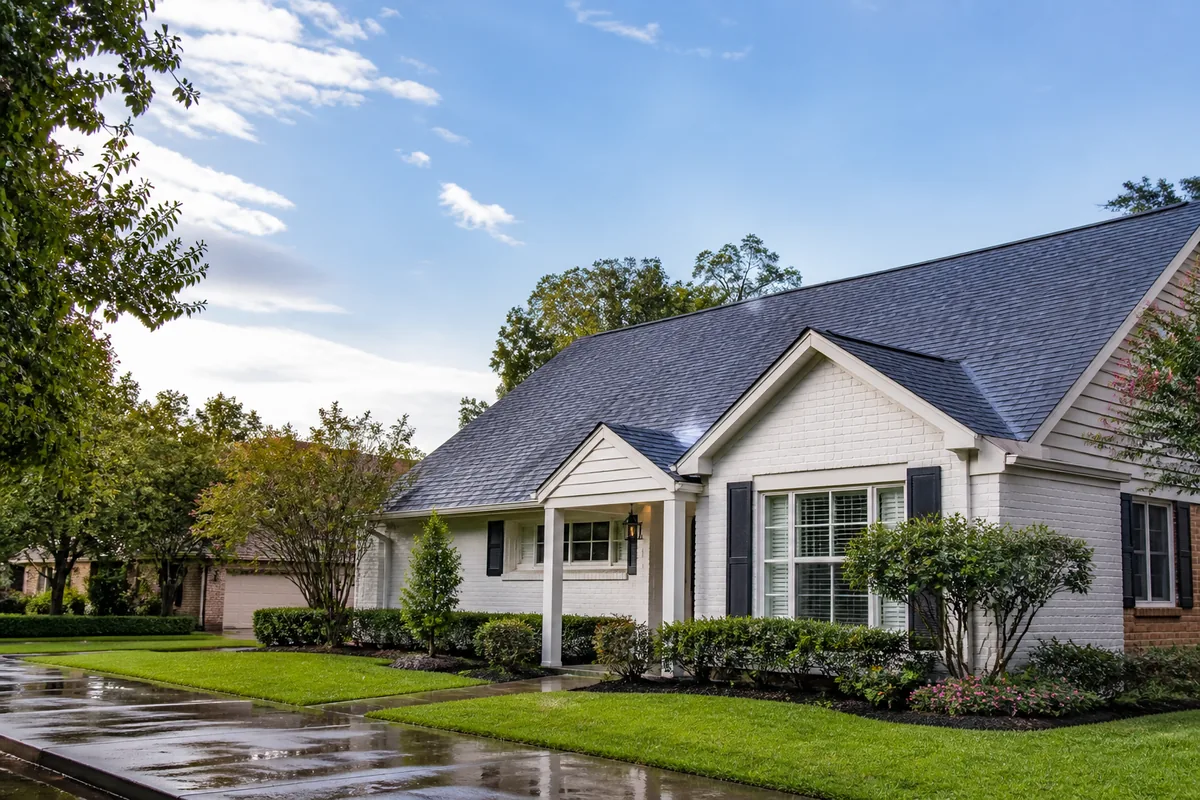
If you're searching for a roofing company in Denver, odds are a storm just rolled through. The Front Range sees some of the most damaging hail in the country, and every summer thousands of Denver homeowners end up filing roof claims. Knowing what your roof needs before you call matters.
A good roofing contractor in Denver deals with more than hail. Intense sun at 5,280 feet, winds that pour off the foothills, heavy spring snow, and even wildfire embers all shape how roofs are built here. Local roofers know these conditions, and that local knowledge is worth paying for.
Denver roofing services
Start with the roofing need that best matches your property.
Denver roof repair commonly includes
- Leaks and water intrusion
- Damaged or missing shingles
- Flashing, valleys, and vents
- Storm, wind, and hail damage
- Emergency tarping and temporary repairs
What Denver Weather Does to Roofs
Denver is in hail alley, the corridor east of the Rockies that gets more large hail than almost anywhere in the country. Hailstorms from May through August bruise shingles and knock off granules. Between storms, high-altitude UV bakes roofs faster than at sea level, and chinook winds can gust hard enough to lift shingle edges. Add heavy spring snows and freeze-thaw cycles, and Denver roofs simply age faster than the national average.
Roofing Materials That Hold Up in Denver
Class 4 impact-rated asphalt shingles are the workhorse choice in Denver because they resist hail bruising, and many insurers offer premium discounts for them. Stone-coated steel and standing-seam metal handle hail and wind even better, and they shed snow and resist embers. Concrete tile suits some homes but needs a structure that can carry the weight. Whatever the material, a Class A fire rating is smart anywhere near the foothills.
When to Call a Denver Roofer
Call after any hailstorm with stones larger than a quarter, or if high winds leave creased or missing shingles behind. Ceiling stains, granules piling in gutters, dented vents, and curled shingle edges all warrant a look too. Storm damage claims typically have filing deadlines, so an inspection soon after a storm protects your options.
Denver roofing season
- Spring and summer hailMay through August is peak hail season on the Front Range. Even hail too small to break windows can bruise shingle mats and shorten roof life. Have your roof checked after any hard storm.
- High windsDownslope winds off the foothills can top 60 mph, especially in winter. Wind lifts and creases shingles along edges and ridges. Once that seal breaks, leaks follow.
- Heavy spring snowMarch and April often bring Denver's wettest, heaviest snows. That weight stresses older decking, and rapid melt finds any weak flashing or nail pop on the roof.
- Intense sun and dry heatAt a mile high, UV exposure is stronger than at sea level. Shingles dry out and curl sooner, and big day-to-night temperature swings work fasteners loose over time.
Common Denver roof problems
Bruised shingles and granule loss are Denver's most common roof problems, along with dented vents and gutters. Damage is often invisible from the ground but shortens roof life significantly.
Chinook winds crease and lift shingle tabs, breaking the adhesive seal. Once a tab lifts, wind-driven rain and snowmelt can get underneath and leak.
High-altitude sun degrades asphalt shingles faster. Curled edges and surface cracks are signs the roof is wearing out, and so are gutters filling with granules.
Snow melts over warm attics and refreezes at the eaves. Trapped water backs up under shingles and leaks into ceilings, especially on older Denver homes.
Big temperature swings expand and contract metal flashing around chimneys, skylights, and vents. Failed flashing is one of the most common sources of roof leaks.
Homes near the foothills face ember exposure during fire season. Aging wood shakes and debris-filled gutters raise the risk; Class A fire-rated roofing reduces it.
Roofing help across the Denver area
We connect homeowners with local roofing help throughout Denver and nearby communities, including:
Free roofing quote
Get a Denver roofing quote
Tell us about your roof and we'll connect you with local roofing help in Denver. No cost, no pressure.
- Fast response from local roofers
- Repairs, replacement, storm & hail damage
- Residential & commercial roofs
Roofing guides
All guides →Guide · 6 min read
Hail Damage on Your Roof: Storm Repair and Insurance Claims, Step by StepHow to spot hail and wind damage safely, what to do right after a storm, how to document everything, and how a roof insurance claim actually works. Read →Guide · 6 min read
Roof Ventilation and Ice Dams: Why Your Attic Decides How Long Your Roof LastsPoor attic ventilation quietly shortens roof life and, in cold climates, builds ice dams. Here is how airflow and insulation work, and how to fix both. Read →Guide · 6 min read
Types of Roof Shingles: 3-Tab, Architectural, and Premium ComparedA plain-English guide to roof shingle types. Compare 3-tab, architectural, and premium shingles, plus wood, slate, and composite, with typical lifespans and costs. Read →Denver roofing FAQs
How often does hail damage roofs in Denver?
The Front Range sees damaging hail most years, usually between May and August. Not every storm totals a roof, but repeated small hail adds up. A quick inspection after each significant storm is the safest habit.
How much does roof replacement cost in Denver?
A typical asphalt shingle replacement in the Denver metro usually runs in the low five figures, depending on the size and pitch of the roof and the material you choose. Impact-rated shingles and metal cost more. Get multiple written quotes before deciding.
Will insurance pay for hail damage to my Denver roof?
Often, yes. Most homeowners policies cover hail and wind damage, though deductibles for wind and hail in Colorado can be higher than the standard deductible. Document the storm date and get the damage inspected promptly.
How long do roofs last in Denver?
Shorter than the national average. Intense UV, hail, wind, and freeze-thaw cycles mean asphalt shingles in Denver often need replacement in 15 to 20 years, even when rated for 30. Metal and tile last considerably longer.
Are impact-resistant shingles worth it in Denver?
In most cases, yes. Class 4 shingles resist hail bruising far better, and many Colorado insurers offer discounts for them. Over a roof's life in hail alley, they typically pay for the upgrade.
How do I choose a roofing contractor in Denver after a storm?
Be careful with door-knockers who follow hailstorms. Favor established local roofers, get everything in writing, never pay in full up front, and get more than one quote. We can connect you with local roofing help to start.