Phoenix, AZ roofing
Roofers in Phoenix, Arizona
Phoenix roofs take a beating from desert heat and monsoon storms. We connect you with local roofers who work on tile, shingle, and flat foam roofs every day.
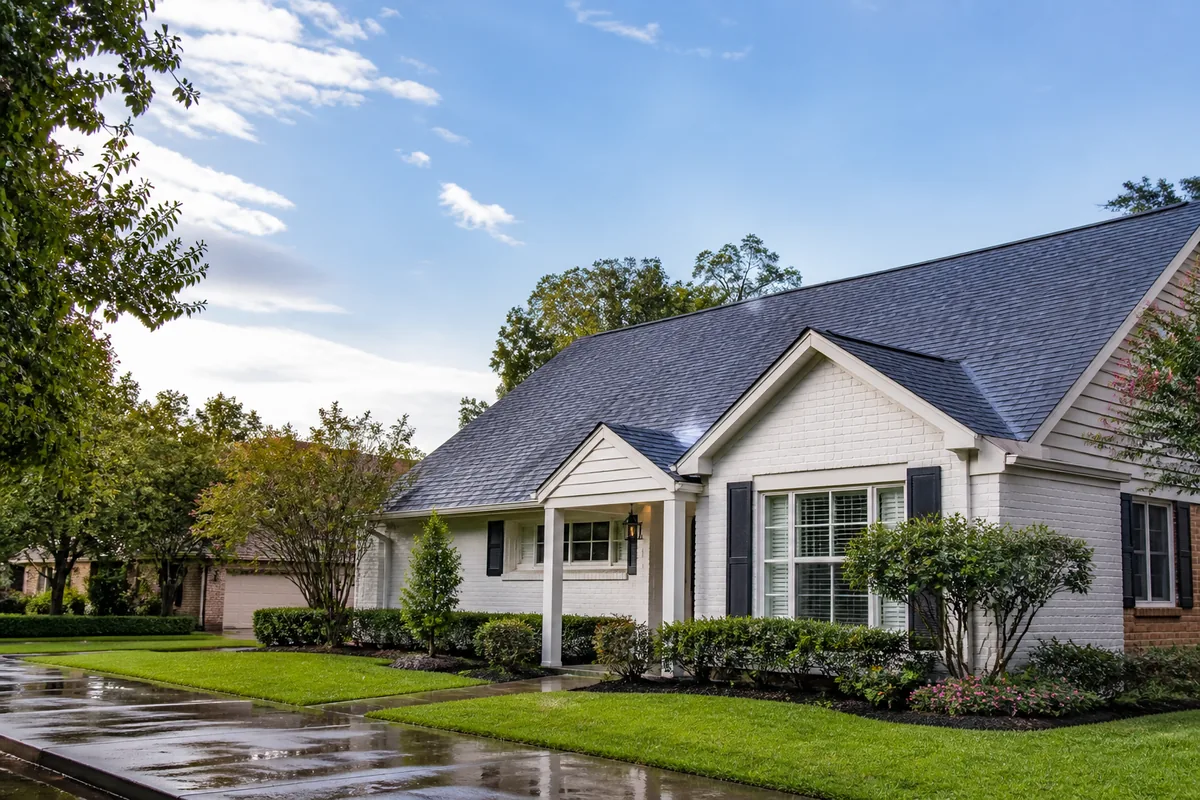
Phoenix is not a shingle-only town. Drive through the Valley and you'll see concrete and clay tile on most newer homes, foam and coated flat roofs on older ranches and Territorials, and asphalt shingles mixed in. Good roofers here know all three systems, because each one fails in its own way.
The desert is hard on every roof. Summer surface temperatures soar, and UV breaks down underlayment and coatings. Monsoon microbursts rip at tiles and flashing. Whether you need roof repair in Phoenix after a storm or a full roof replacement, the right local help matters.
Phoenix roofing services
Start with the roofing need that best matches your property.
Phoenix roof repair commonly includes
- Leaks and water intrusion
- Damaged or missing shingles
- Flashing, valleys, and vents
- Storm, wind, and hail damage
- Emergency tarping and temporary repairs
What the Sonoran Desert Does to a Roof
Phoenix summers regularly top 110 degrees, and roof surfaces get far hotter than the air. That heat, plus some of the most intense UV exposure in the country, dries out shingles and cracks tile underlayment. Flat-roof coatings chalk and thin under the same sun. Then monsoon season arrives with microbursts and wind-driven rain, plus dust that finds every gap. Most Phoenix roof failures happen when a heat-worn roof meets a violent summer storm.
Roofing Materials That Survive Phoenix
Concrete and clay tile dominate here for good reason: they shrug off UV and reflect heat, though the underlayment beneath them still needs replacing every few decades. Spray polyurethane foam with an elastomeric coating is the standard for the Valley's many flat roofs; it adds insulation and forms one continuous waterproof surface. Reflective 'cool roof' shingles and metal panels with heat-reflective finishes also perform well. Standard dark asphalt shingles are typically the shortest-lived choice in this climate.
When to Call a Phoenix Roofer
Call after any monsoon storm that leaves broken tiles or lifted shingles behind, and any time you see a ceiling stain, ponding water, daylight in the attic, or debris packed into roof valleys. In most cases, a small underlayment or coating repair caught early costs far less than the interior damage a hidden leak causes.
Phoenix roofing season
- Monsoon season (June to September)Microbursts and outflow winds lift tiles and peel back flashing, and they drive rain sideways under roof edges. Dust storms pack debris into valleys and scuppers. Most emergency roof repair calls in Phoenix happen in these months.
- Peak summer heatRoof surfaces bake for months. Underlayment beneath tile turns brittle and shingles shed granules, while foam roof coatings chalk and thin. Heat is the slow, silent damage that storms later expose.
- Winter rainsCooler-season storms bring steady, soaking rain. Flat roofs with poor drainage pond water, and any underlayment cracks that opened over summer start leaking. It's a common season to discover ceiling stains.
- Fall and springMild weather makes these the best seasons for inspections, tile underlayment work, foam recoating, and general repairs. Roofers' schedules are also less slammed than during post-monsoon repair rushes.
Common Phoenix roof problems
Concrete and clay tiles often outlast the felt beneath them. When heat-baked underlayment cracks, water gets in even though the tiles look fine from the street.
Foot traffic and monsoon winds can crack or shift tiles, and settling does it slowly over time. A few broken tiles expose the underlayment to UV and speed up the whole roof's decline.
Flat and low-slope roofs are everywhere in Phoenix. When drains or scuppers clog with dust and debris, water ponds after storms and works into seams and coatings.
Foam roofs need their protective coating renewed periodically. Once UV chews through the coating, the foam itself degrades quickly and repairs get more expensive.
Microbursts lift shingles and tiles and peel back flashing at parapets, vents, and roof edges. Damage is often invisible from the ground until the next rain finds it.
Asphalt shingles age faster under Phoenix UV than in milder climates. Curling edges and brittle tabs are signs a shingle roof is nearing the end, especially with heavy granule loss in the gutters.
Roofing help across the Phoenix area
We connect homeowners with local roofing help throughout Phoenix and nearby communities, including:
Free roofing quote
Get a Phoenix roofing quote
Tell us about your roof and we'll connect you with local roofing help in Phoenix. No cost, no pressure.
- Fast response from local roofers
- Repairs, replacement, storm & hail damage
- Residential & commercial roofs
Roofing guides
All guides →Guide · 6 min read
Hail Damage on Your Roof: Storm Repair and Insurance Claims, Step by StepHow to spot hail and wind damage safely, what to do right after a storm, how to document everything, and how a roof insurance claim actually works. Read →Guide · 6 min read
Roof Ventilation and Ice Dams: Why Your Attic Decides How Long Your Roof LastsPoor attic ventilation quietly shortens roof life and, in cold climates, builds ice dams. Here is how airflow and insulation work, and how to fix both. Read →Guide · 6 min read
Types of Roof Shingles: 3-Tab, Architectural, and Premium ComparedA plain-English guide to roof shingle types. Compare 3-tab, architectural, and premium shingles, plus wood, slate, and composite, with typical lifespans and costs. Read →Phoenix roofing FAQs
How do I find good roofers in Phoenix?
Look for roofers experienced with your specific roof type, whether tile, foam, or shingle, since each system is different. Get multiple quotes and confirm Arizona licensing, and ask how they handle underlayment. You can request a quote here and we'll connect you with local Phoenix roofing help.
How long does a tile roof last in Phoenix?
The tiles themselves can last 50 years or more, but the underlayment beneath them typically lasts around 15 to 25 years in Phoenix heat. Most 'tile roof replacements' here are actually underlayment replacements, reusing the original tiles where they're still sound.
How much does roof repair cost in Phoenix?
Minor Phoenix roof repairs, like a handful of cracked tiles or a small flashing fix, typically run a few hundred dollars. Larger underlayment sections or storm damage repairs often reach into the low thousands. An on-site inspection is the only way to get a real number.
What should I do after a monsoon storm damages my roof?
Document the damage with photos from the ground and cover any interior leaks. Stay off the roof itself; tiles crack easily underfoot. Then contact a local roofer for an inspection and call your insurance company if the damage looks significant. Storm damage claims are common in Phoenix.
Are foam roofs a good choice in Phoenix?
Yes, foam is one of the most popular flat-roof systems in Phoenix. It insulates against the heat and forms one continuous waterproof surface, and it can last decades if it's recoated on schedule, typically every 5 to 15 years depending on the coating. Skipping recoats is the main reason foam roofs fail.
When is the best time for roof replacement in Phoenix?
Fall through spring is ideal. Temperatures are workable and monsoon storms are over, so materials like underlayment and coatings cure properly. If your roof is already leaking, don't wait for perfect weather; winter rains and next summer's monsoons will only make it worse.